The Convergence of Two Worlds
The intersection of high fashion and street culture is no longer a mere novelty or a fleeting trend—it has become the defining aesthetic paradigm of our generation. As heritage luxury houses, with their centuries of history, look to capture the ever-evolving zeitgeist, we are witnessing a profound and irreversible transformation in how 'couture' is defined, created, and consumed in the modern era.
A Shift in the Definition of Exclusivity
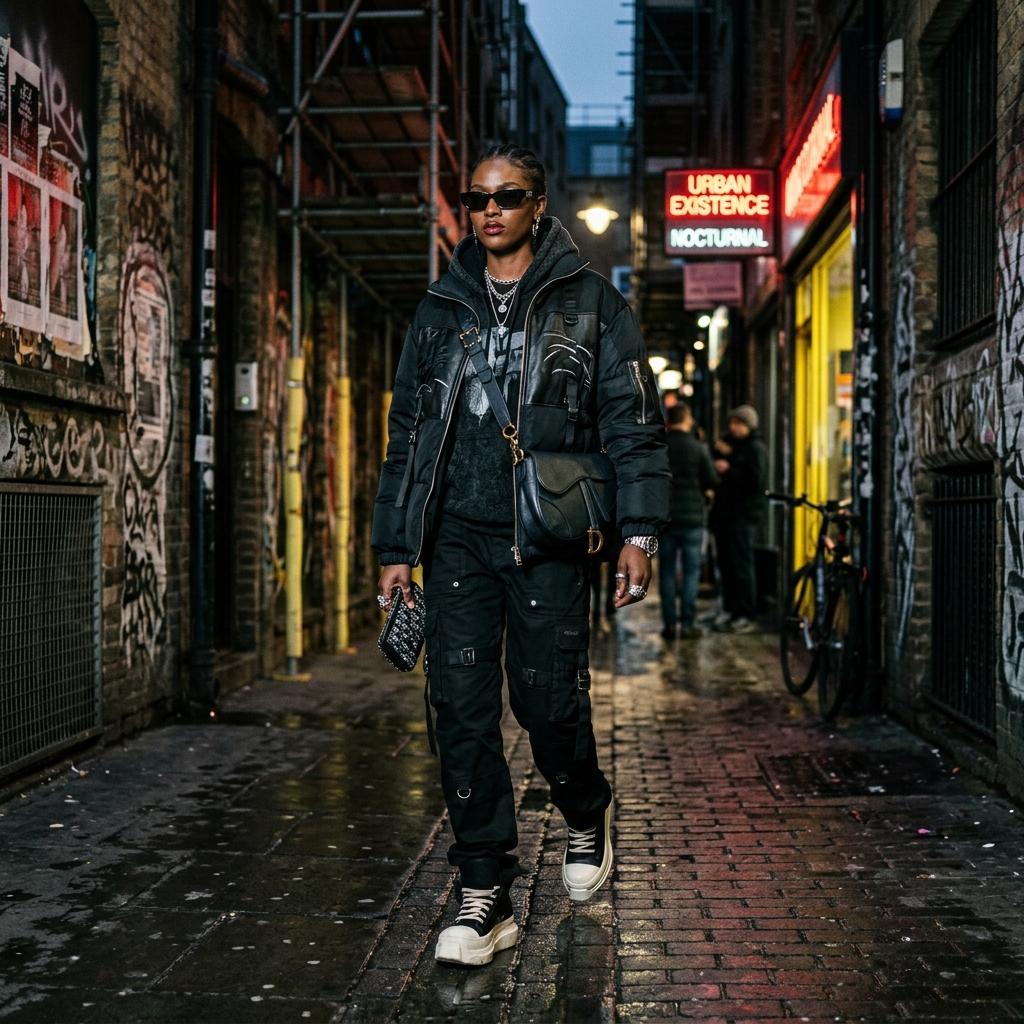
Historically, haute couture was rigorously confined to the exclusive, gilded salons of Paris and Milan. It was characterized by meticulous hand-craftsmanship, unparalleled exclusivity, and astronomical price tags that made it accessible only to the global elite. These patrons separated themselves through garments that required thousands of hours to bead, stitch, drape, and perfectly tailor to their exact measurements. Today, however, that exact same level of obsessive, uncompromising detail is being applied to silhouettes that were once considered the antithesis of luxury: oversized hoodies, cargo trousers, and distressed denim.
We are now living in an era where consumers willingly invest in $2,000 sneakers that feature intricate hand-painted details, and $3,000 tracksuits spun from the rarest, ethically sourced Mongolian cashmere. This is not simply a trickling down of high fashion into the mainstream; rather, it is a powerful bubbling up of youth and urban culture demanding a seat at the table of luxury.
The Pioneers of the Movement
This monumental shift was largely pioneered by visionary designers who grew up immersed in skateboarding, hip-hop, and graffiti culture, but who subsequently trained within the hallowed halls of traditional European fashion houses. These creative directors intimately understood that modern youth did not aspire to dress in the stiff, formal tailoring of their parents' generation. However, this demographic still possessed an intense desire for the prestige, cultural cachet, and exceptional quality associated with legacy luxury brands.
By skillfully merging the visceral energy of the streets with the refined techniques of the atelier, they forged an entirely new category: Luxury Streetwear. Designers began drawing profound inspiration from skate parks, underground techno music scenes, and raw urban landscapes, elevating these gritty elements with premium textiles. We began seeing bomber jackets lined with the finest Italian silk, and utilitarian sweatpants tailored with the exactitude of a Savile Row suit. In this new landscape, the streets have become the ultimate runway, and the runway has been transformed into a mirror reflecting the realities of the streets.
The Beautiful Dissonance
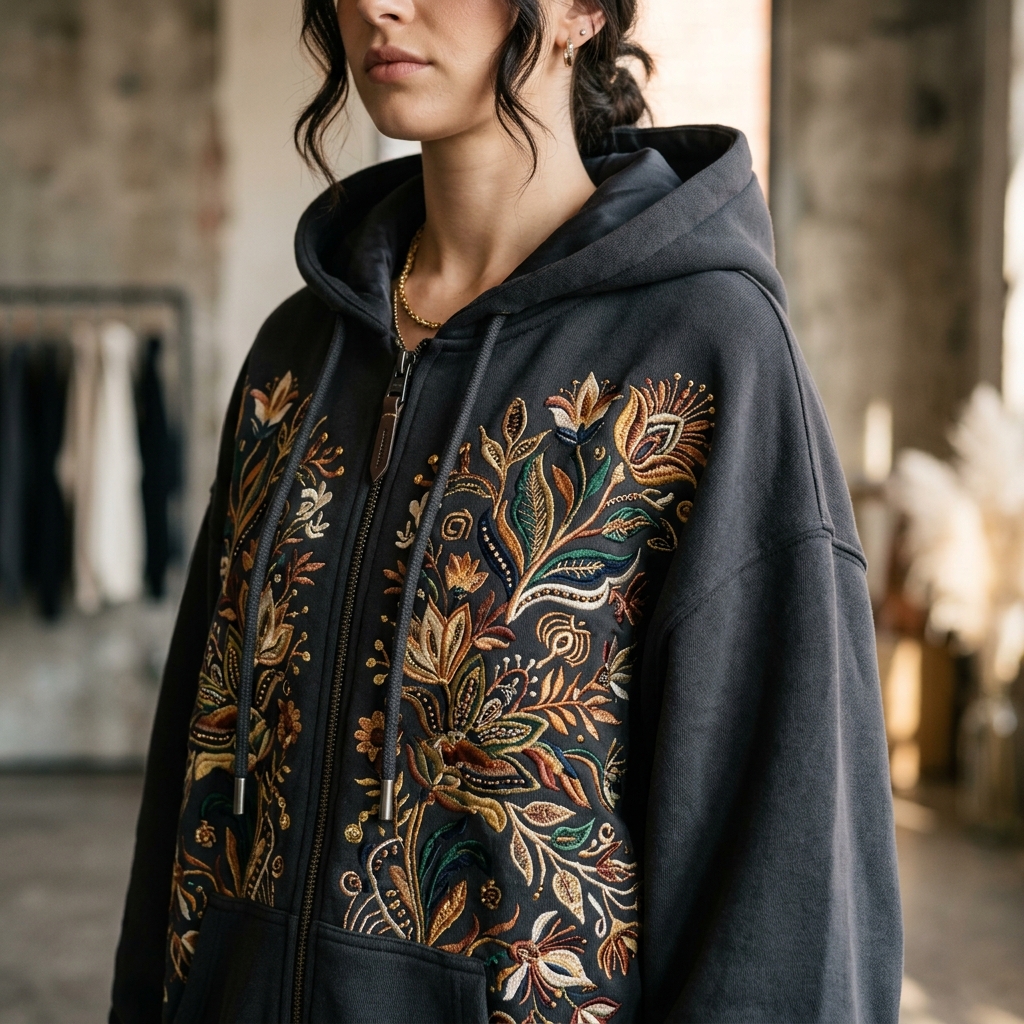
The aesthetic result of this merger is a beautiful, striking dissonance. It offers the comfort, mobility, and inherent rebellion of streetwear, executed with the flawless precision and elegance of traditional luxury craftsmanship. This approach actively challenges the old guard and dismantles preconceived notions of propriety, while paradoxically honoring the artisanal heritage of the past.
Consider the oversized silhouette. Once dismissed by fashion critics as sloppy or unrefined, the modern oversized garment is an architectural marvel. It is carefully engineered and mathematically proportioned to drape perfectly over the human form, offering a sense of relaxed confidence. Similarly, the graphic t-shirt—once considered a cheap, disposable souvenir—has been elevated into a highly coveted canvas for high-end artistic collaboration, often featuring works from renowned contemporary artists and produced in strictly limited runs.
The Democratization of Visual Language
Furthermore, this monumental shift has successfully democratized the visual language of fashion. While the price points of these garments remain fiercely exclusive, ensuring their status as luxury items, the aesthetic itself is universally accessible, deeply relatable, and immediately understandable across cultural boundaries. A hoodie is a universally recognized garment; elevating it to couture status bridges the gap between the everyday and the extraordinary.
Looking Towards the Future
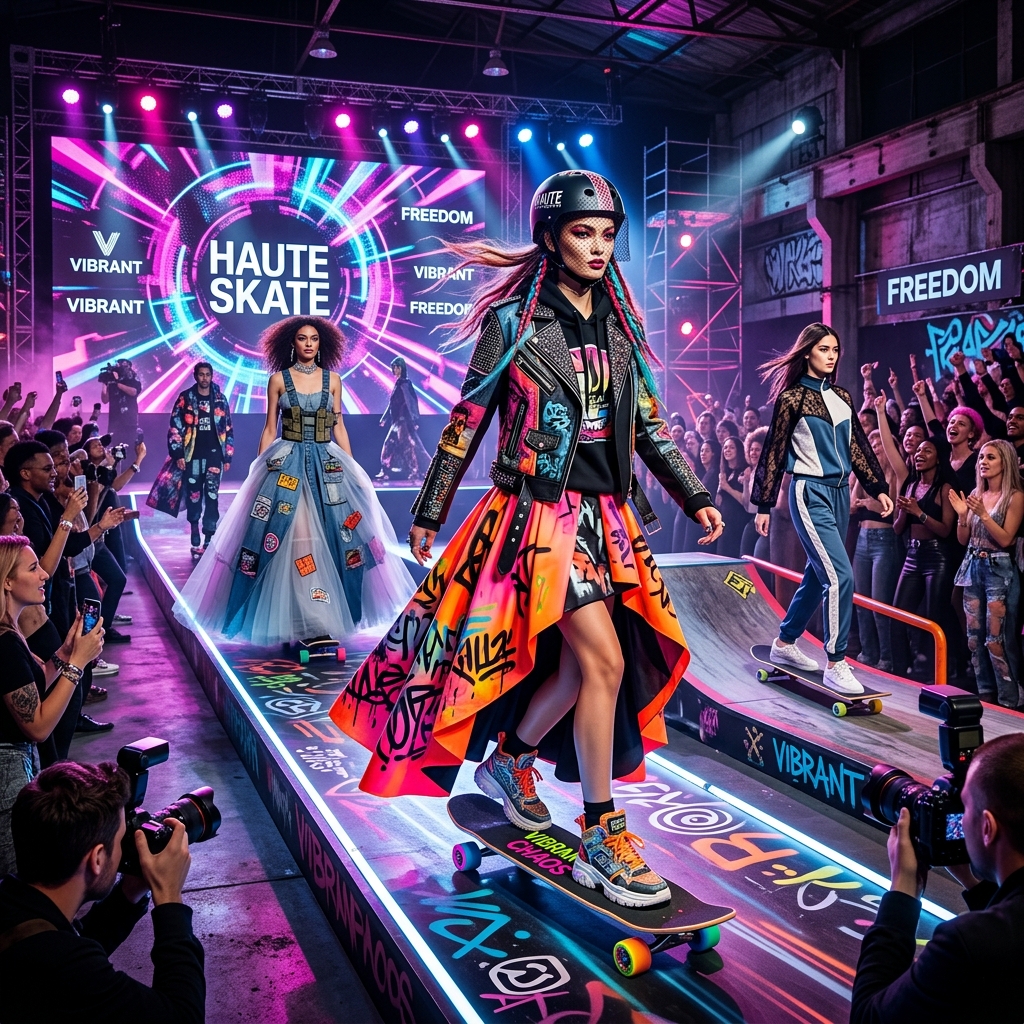
This evolution proves that true elegance is not strictly bound by what specific garments you choose to wear, but rather the attitude, confidence, and cultural awareness with which you wear them. As we look towards the future of the fashion industry, it is abundantly clear that this marriage of haute couture and streetwear is not a passing phase destined to fade. Instead, it represents a fundamental, permanent evolution in the history of fashion—a testament to the enduring power of subcultures to reshape the global definition of luxury.
