The Evolution of the Ultimate Status Symbol
For decades, the concept of luxury was inextricably linked with unchecked excess and conspicuous consumption. Rare exotic leathers, fast-paced seasonal collections that encouraged rapid turnover, and an exclusionary mindset dictated the operational rhythms of the global fashion industry. However, a seismic and necessary shift is currently underway. In today’s highly conscious market, the new ultimate status symbol is no longer merely a recognizable logo or a high price tag; it is a clean conscience and a transparent supply chain.
The Demand for Absolute Transparency
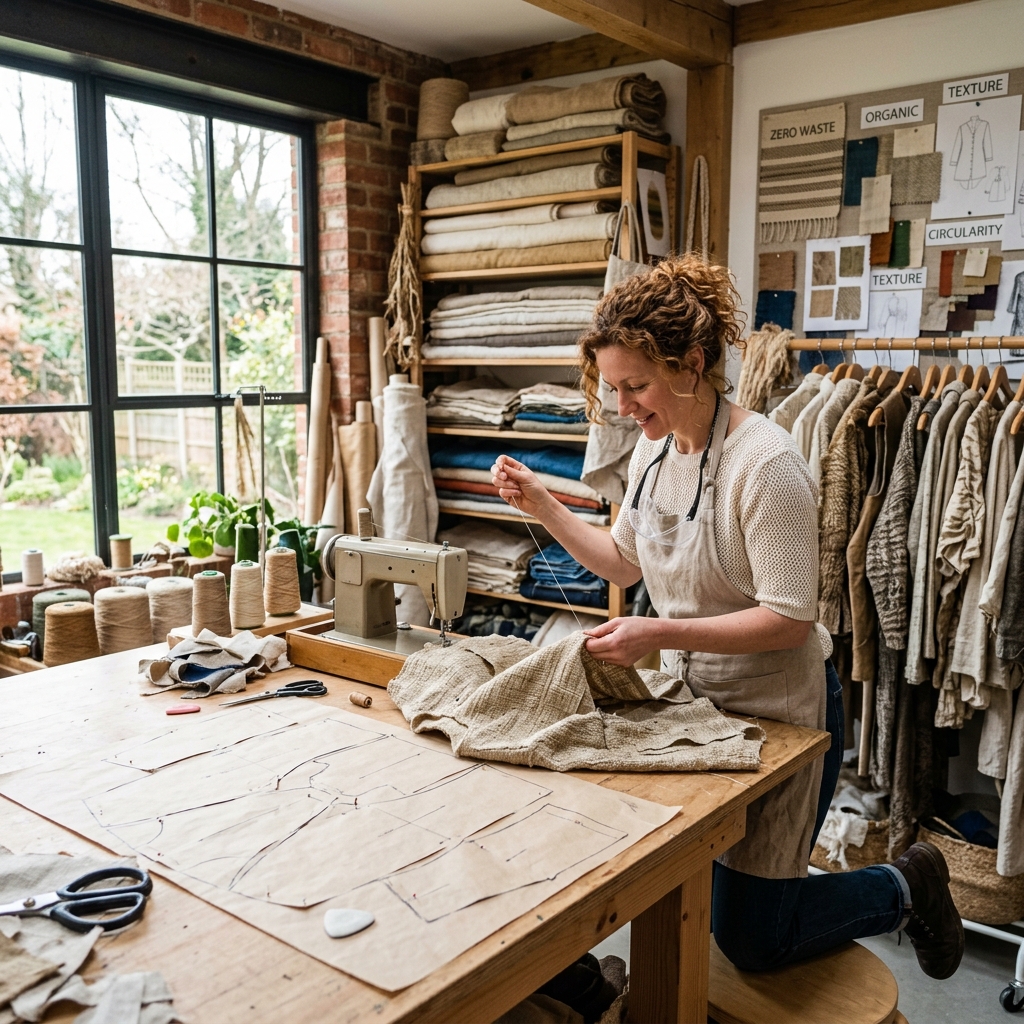
Modern luxury consumers, particularly the highly influential millennial and Generation Z demographics, are demanding absolute transparency from the brands they support. They are no longer satisfied with vague promises of quality; they actively seek to know the precise origin of the silk used in their evening dresses, the working conditions and fair compensation of the artisans who crafted their leather goods, and the comprehensive carbon footprint associated with shipping their purchases across the globe.
Extensive market research indicates that this younger generation of affluent buyers is remarkably willing to spend a premium on brands that authentically align with their personal ethics and environmental values. In direct response to this paradigm shift, visionary luxury brands are completely rewriting the traditional rules of engagement, pivoting from a model of extraction to one of regeneration and responsibility.
Innovation in Sustainable Materials
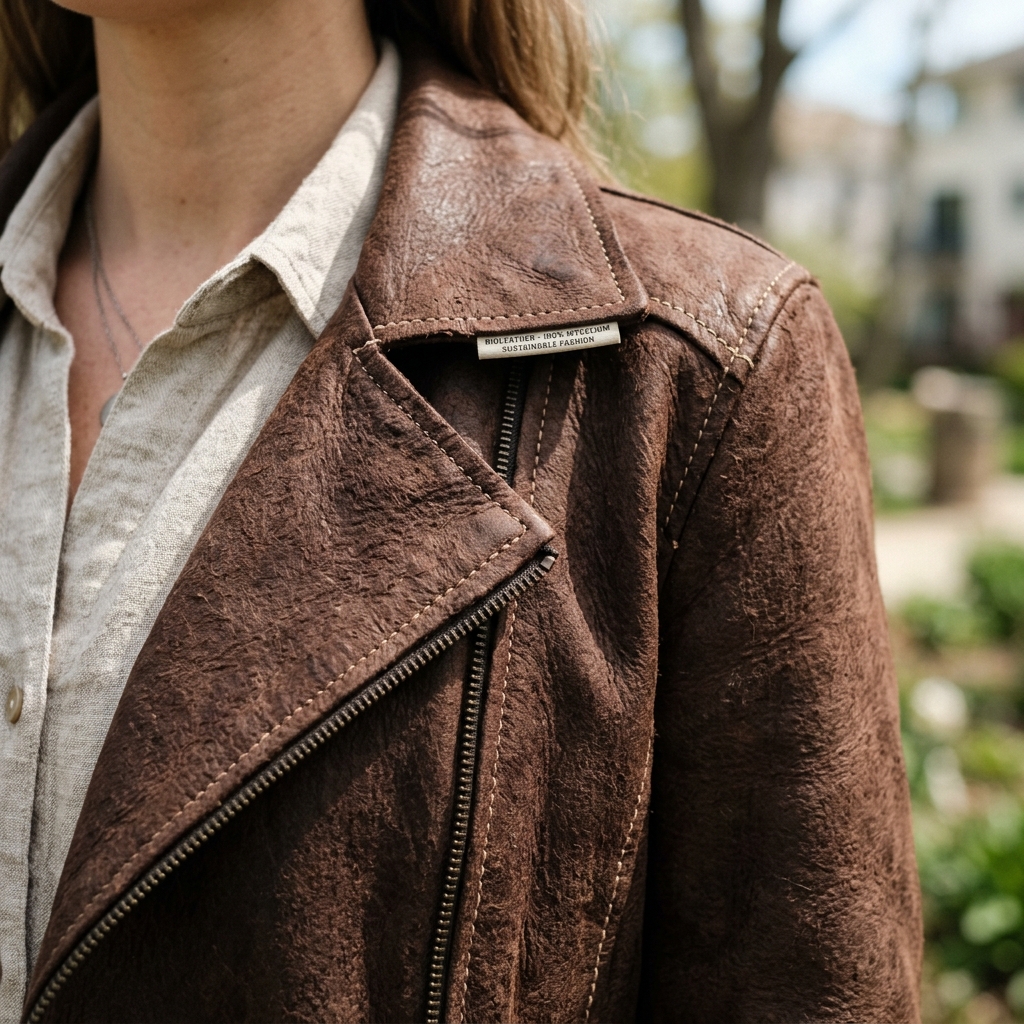
This demand for sustainability is driving unprecedented innovation in material science. We are witnessing the rapid rise and widespread adoption of lab-grown diamonds that completely bypass the ethical quagmires of traditional mining. Mycelium-based 'leather' (grown from mushroom roots) and fabrics engineered from recycled ocean plastics are moving from experimental novelties to mainstream luxury staples. Sustainability is no longer a marketing afterthought or a corporate social responsibility footnote; it is being meticulously baked into the very DNA of premium fashion houses.
Major conglomerates are now routinely hiring Chief Sustainability Officers at the executive level, restructuring their logistics, and publishing highly detailed, transparent yearly reports that publicly track their environmental impact and reduction goals.
Embracing the Circular Economy
One of the most exciting and transformative developments in this space is the aggressive push towards a circular economy within luxury fashion. Instead of relying on the traditional, highly destructive "take-make-dispose" model, forward-thinking brands are actively encouraging systems of repair, resale, and recycling.
In-house vintage archives, where brands buy back and restore their own historical pieces, are becoming highly celebrated. Furthermore, official brand-certified second-hand platforms are becoming commonplace, allowing brands to maintain control over their secondary market while extending the lifecycle of their garments. This approach not only significantly reduces landfill waste but also adds profound depth to the brand's mythos, reinforcing the idea that their products are timeless investments rather than disposable seasonal trends.
The Human Element: Ethical Production
Furthermore, ethical production and human rights are finally taking their rightful place at center stage. Brands are aggressively moving away from opaque, multi-tiered supply chains that hide exploitative labor practices. Instead, they are shining a spotlight on the skilled artisans and local communities who actually craft their goods. Guaranteeing fair living wages, ensuring exceptionally safe working conditions, and actively investing in the communities where production takes place are becoming key, non-negotiable pillars of brand identity.

Aesthetics Without Compromise
Crucially, this profound industry shift proves that ethical practices and environmental stewardship do not require any compromise on aesthetics, quality, or desirability. In fact, the rigorous constraints imposed by sustainable design often serve as a powerful catalyst for greater creativity and innovation. The resulting garments are not only visually stunning and flawlessly constructed but are also narratively rich, carrying a story of responsibility and care.
True luxury, it turns out, is not about demonstrating how much of the world's resources you can consume, but rather demonstrating your commitment to leaving the world more beautiful, equitable, and vibrant than you found it. The future of premium fashion is undeniably green, and it is glorious.
